
The Importance of Commercial HVAC Checks
- Justin Mikola

- Dec 30, 2025
- 4 min read
Maintaining a comfortable and safe environment in commercial buildings is essential for productivity and customer satisfaction. One of the key components to achieving this is ensuring that the heating, ventilation, and air conditioning (HVAC) systems are functioning optimally. Regular commercial HVAC checks are crucial to prevent unexpected breakdowns, improve energy efficiency, and extend the lifespan of the equipment. This article explores why these inspections matter and what they typically involve.
Why Regular Commercial HVAC Checks Matter
Commercial HVAC systems are complex and operate under heavy loads, especially in large buildings. Over time, wear and tear can lead to decreased performance, higher energy bills, and even health risks due to poor air quality. Regular inspections help identify issues early, allowing for timely repairs and maintenance.
Some of the key benefits of routine commercial HVAC checks include:
Energy Efficiency: Dirty filters, clogged ducts, or malfunctioning components can cause the system to work harder, consuming more energy. Inspections help optimize performance and reduce utility costs.
Improved Air Quality: HVAC systems circulate air throughout the building. If not maintained, they can spread dust, allergens, and pollutants, affecting occupant health.
Reduced Downtime: Unexpected HVAC failures can disrupt business operations. Scheduled inspections minimize the risk of sudden breakdowns.
Extended Equipment Life: Regular maintenance prevents premature wear, saving money on costly replacements.
Compliance and Safety: Many commercial buildings must comply with local regulations regarding HVAC safety and emissions. Inspections ensure adherence to these standards.

Key Components of Commercial HVAC Checks
During a commercial HVAC check, technicians examine various parts of the system to ensure everything is working correctly. These components include:
Air Filters: Checked and replaced if dirty to maintain airflow and air quality.
Thermostats: Calibrated to ensure accurate temperature control.
Electrical Connections: Inspected for wear or damage to prevent electrical hazards.
Belts and Motors: Assessed for signs of wear and lubricated or replaced as needed.
Ductwork: Examined for leaks or blockages that could reduce efficiency.
Refrigerant Levels: Checked to ensure the system is cooling properly.
Drain Lines: Cleared to prevent water damage or mold growth.
Regular inspections also include testing system controls and safety features to ensure reliable operation.
What does a HVAC inspection consist of?
A thorough HVAC inspection involves a step-by-step process to evaluate the system’s condition and performance. Here is what a typical commercial HVAC inspection includes:
Visual Inspection: The technician looks for obvious signs of damage, corrosion, or wear on all accessible parts.
Filter Check and Replacement: Dirty filters are replaced to improve airflow and air quality.
Mechanical Component Testing: Motors, belts, and fans are tested for proper operation and adjusted or replaced if necessary.
Electrical System Evaluation: Wiring, connections, and controls are inspected for safety and functionality.
Refrigerant and Pressure Testing: Levels are checked and adjusted to ensure efficient cooling.
Thermostat Calibration: Ensures the system responds accurately to temperature settings.
Ductwork Inspection: Ducts are checked for leaks, blockages, or damage that could affect airflow.
Drainage System Check: Ensures condensate drains are clear to prevent water damage.
System Performance Test: The entire system is run through a cycle to verify proper operation and efficiency.
After the inspection, the technician provides a detailed report with recommendations for repairs or maintenance.
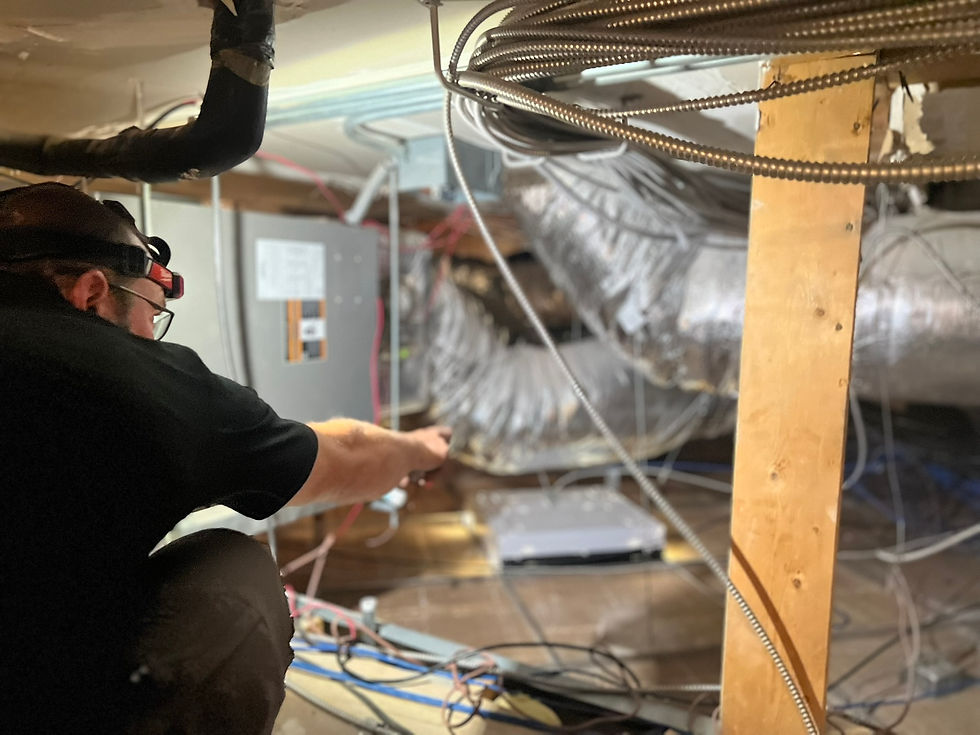
How to Prepare for Commercial HVAC Checks
Preparing your building for a commercial HVAC check can help the process go smoothly and efficiently. Here are some practical tips:
Clear Access Areas: Ensure that all HVAC units, ducts, and control panels are easily accessible.
Provide System History: Share any previous maintenance records or known issues with the technician.
Schedule During Off-Hours: If possible, arrange inspections during non-business hours to minimize disruption.
Notify Occupants: Inform employees or tenants about the inspection schedule and any potential noise or interruptions.
Check for Obstructions: Remove any furniture or equipment blocking vents or units.
Proper preparation helps the technician perform a thorough inspection and address any issues promptly.
Maximizing the Benefits of Commercial HVAC Inspections
To get the most out of your commercial HVAC checks, consider these actionable recommendations:
Set a Regular Schedule: Inspections should be conducted at least twice a year, ideally before peak heating and cooling seasons.
Use Certified Professionals: Hire licensed and experienced HVAC technicians who understand commercial systems.
Implement Recommended Repairs Promptly: Address any issues found during inspections to avoid costly breakdowns.
Keep Detailed Records: Maintain logs of all inspections, repairs, and maintenance activities for future reference.
Invest in Upgrades: Consider upgrading to energy-efficient components or smart thermostats to improve system performance.
By following these steps, businesses can ensure their HVAC systems operate efficiently, safely, and reliably.
Regular commercial HVAC checks are an essential part of maintaining a healthy and productive environment in any commercial building. They help prevent costly repairs, improve energy efficiency, and ensure compliance with safety standards. Scheduling a commercial hvac inspection today can save money and headaches tomorrow.


Comments